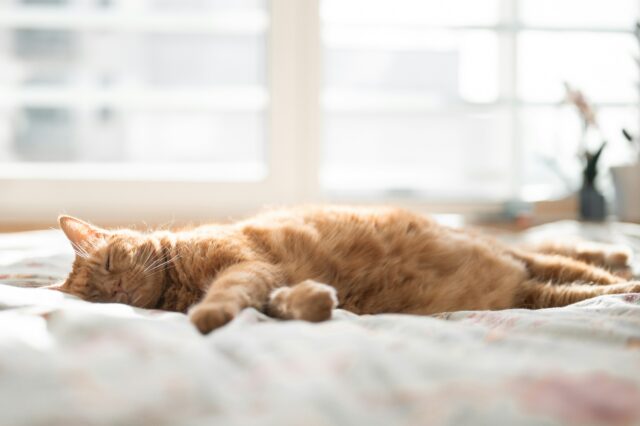


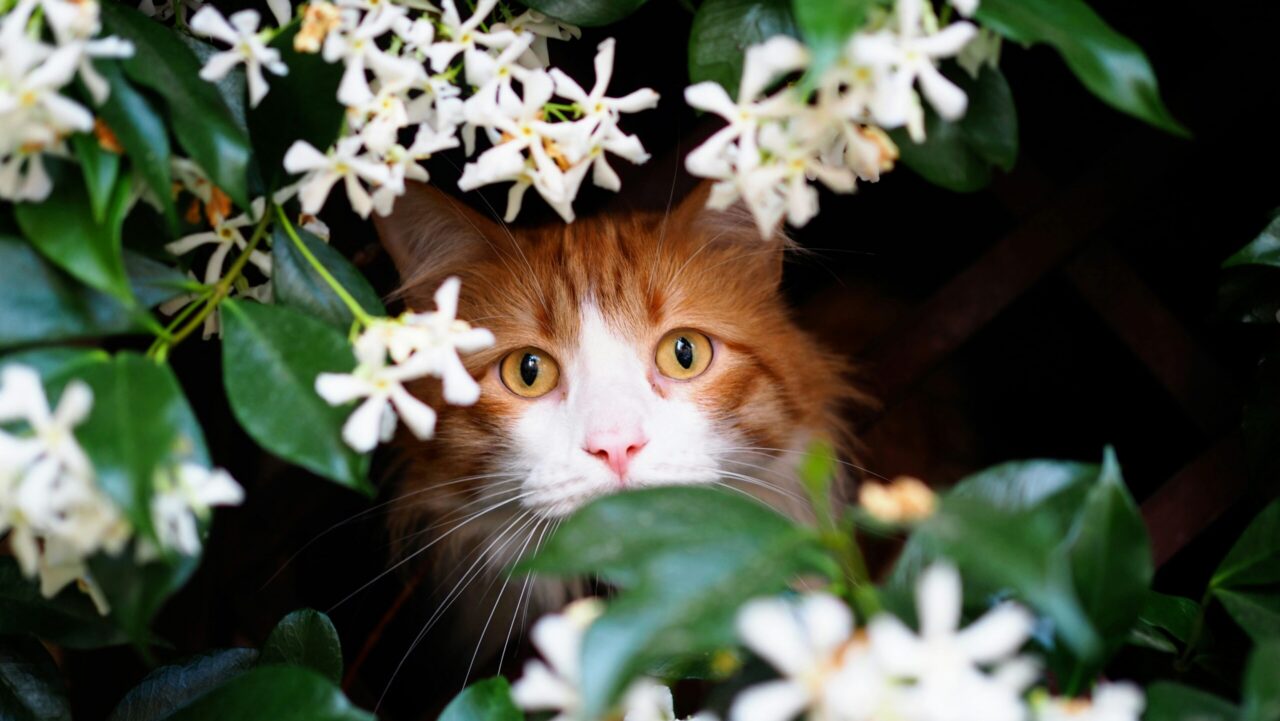
While we all love to have beautiful plants that brighten up our homes, it’s also unavoidable that your cat will try to either push them off the table or chew on them. Unfortunately for our little friends, just because something looks good does not mean that it is good.
In fact, some plants can be very toxic to cats while having little to no effect on humans or other pets. Below you can find a list of the indoor house plants that, according to the Cats Protection Charity, could pose a danger to your cat, from mild sickness to even death.
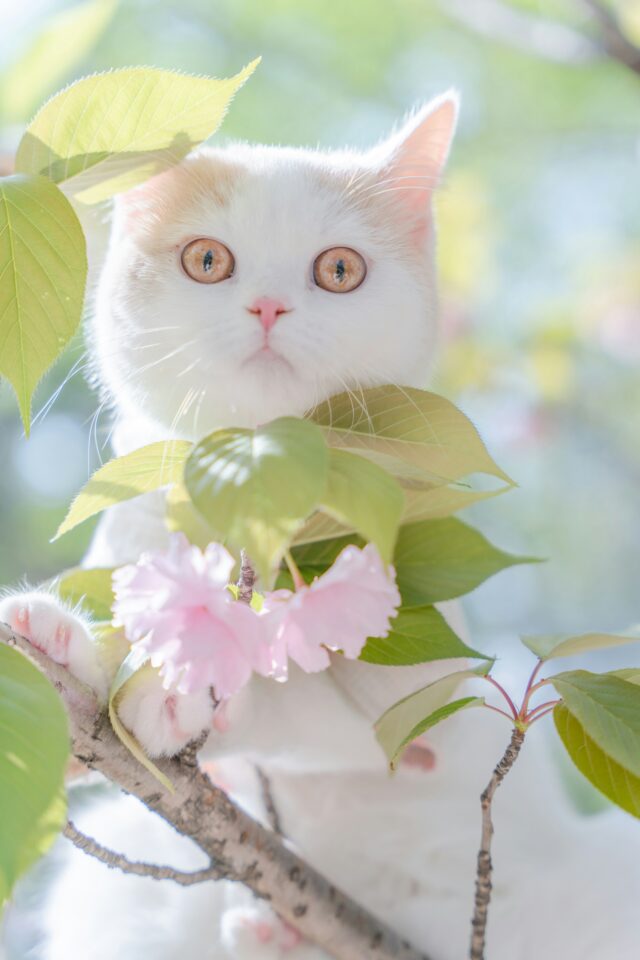
- Agave
- Alocasia
- Aloe vera
- Amaryllis
- Ant plant
- Anthurium
- Arrow Head Vine
- Asparagus Fern
- Bird of Paradise
- Begonia
- Brunfelsia Pauciflora
- Caladium
- Calla Lily
- Castanospermum
- Cheese Plant
- Chinese Evergreen
- Clusia
- Coleus
- Cycad
- Cyclamen
- Dracaena
- Dumb Cane
- English Ivy
- Ficus Benjamina
- Fiddle Leaf Fig
- Fishtail Palm
- Gladioli Bulb
- Homalomena Rubescens
- Hyacinths Bulb
- Iron Cross Begonia
- Jade Plant
- Kalanchoe
- Peace Lily
- Pencil Cactus
- Philodendron
- Poinsettia
- Polyscias Fabian
- Pothos
- Rubber Plant
- Schefflera
- Snake Plant
- Tradescantia
- Yucca
- Zamioculcas Zamiifolia
Please keep in mind that several cut flowers could also be toxic to your cat if brought home in a bouquet. Flowers such as daffodils, lilies, tulips, and lavender all pose different levels of concern. The Cats Protection Charity has created a list, and we have included the cut flowers labelled as the most dangerous below.
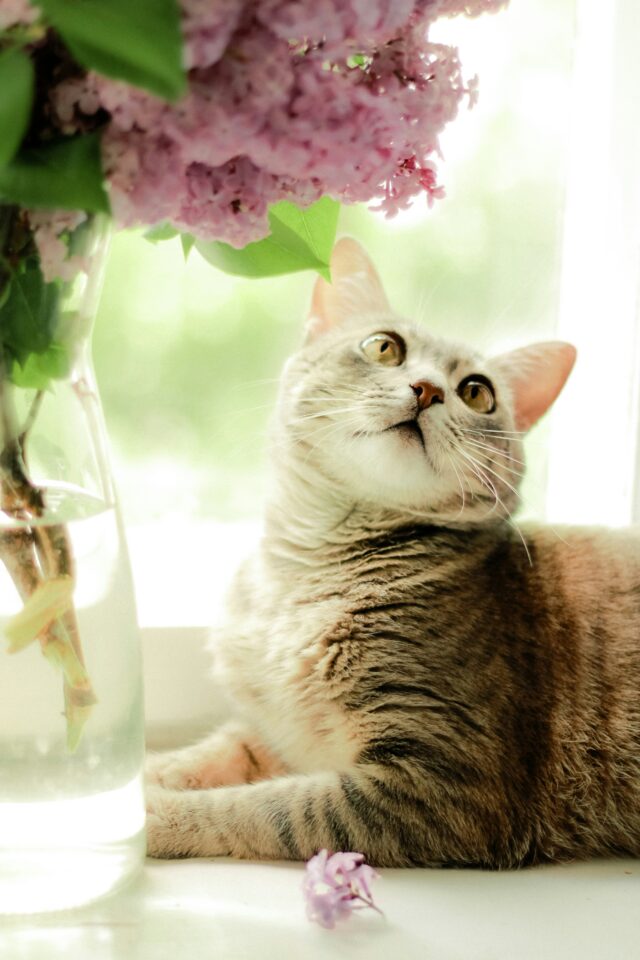
- Asiatic lily
- Chrysanthemum
- Convallaria
- Delphinium
- Easter Lily
- Japanese Showy Lily
- Madonna Lily
- RoselilyTM*
- Royal Lily
- Rubrum Lily
- Star of Bethlehem
- Stargazer Lily
- Sweet Pea
- Tiger Lily
- Western or Wood Lily
- Senecio
Several more flower types could still cause some level of harm and/or irritation to your cats, so we urge you to familiarise yourself with the complete list created by the Cats Protection Charity.
We recommend always double-checking before bringing any new plants into your home. If you are still unsure if your new plants or that lovely flower bouquet you received pose a danger to your kitty cat, move them (the plants, not the cats) to a place that is hard to reach or inaccessible by your curious cats.
If you believe your cat has ingested any of the plants mentioned above or is experiencing any of the following poisoning signs, please get in touch with your vet immediately.
Signs of poisoning can include, but are not limited to:
- Salivation
- Vomiting
- Diarrhoea
- Twitching
- Fitting
- Breathing difficulties
- Shock
- Collapse
- Coma